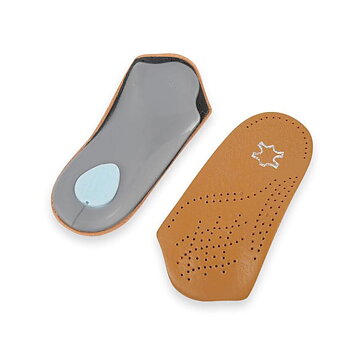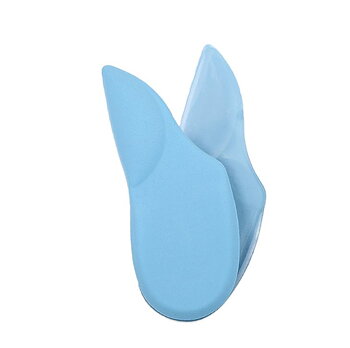


Pronation
Pronation or "to pronate" does not have to mean something bad but is something natural that happens to everyone when we walk and is a natural part of the walking and running movement. Pronation absorbs the shock of each foot strike on the ground and is therefore a positive thing. However, some people have a more excessive pronation which can cause problems where a misalignment of the legs occurs, this is called overpronation.Overpronation
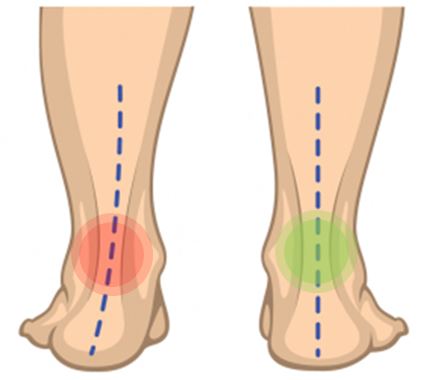 Overpronation is characterized by your feet being stuck in pronation. Overpronation can be caused by having a low arch (flat foot). By looking at your footprint when you get out of the shower, you can see if you are flat-footed, for example. The footprint is then completely or partially flat, which may indicate that you have an overpronation of the ankle. A common cause of overpronation is wearing worn-out shoes that cause the feet to roll in more than they should. If you also have a job that requires many hours of standing or walking, especially on hard surfaces such as concrete floors, this can lead to overpronation. Age, obesity and pregnancy are other factors that affect pronation.
 What is overpronation?
Let's explain what happens when we take a step. Foot placement starts on the outside of the foot. The foot then rotates inwards (pronates) to absorb the force generated. The movement continues over the forefoot and ends over the big toe. If the foot does not perform these actions correctly, muscles, tendons and ligaments not designed for the load can become overstretched and discomfort or pain can occur. This could be pain in the ligaments around the ankle, for example.Reduce your overpronation with the right shoe inserts
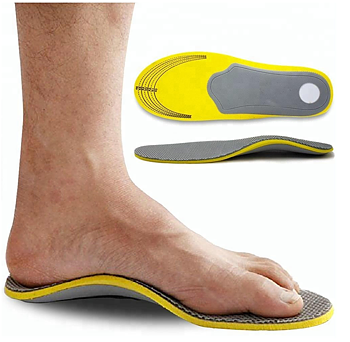
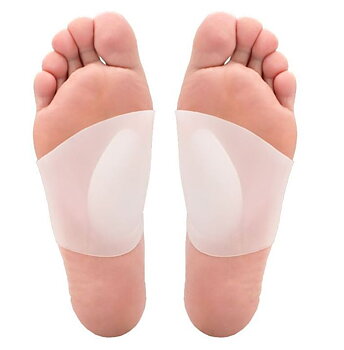
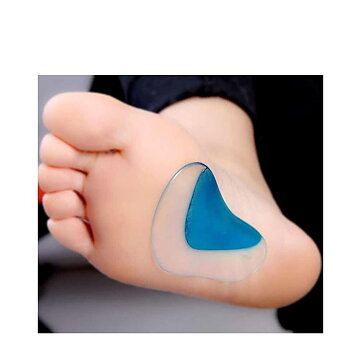
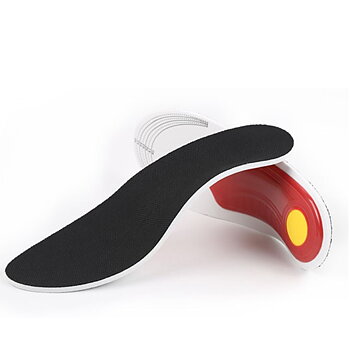
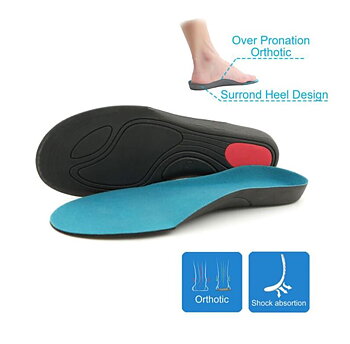
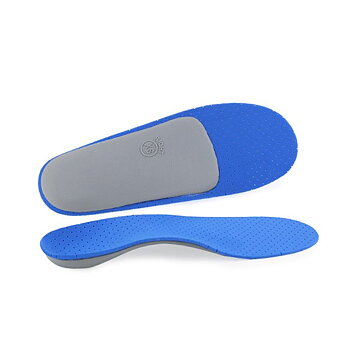
With the right shoes and an insole for pronation, you can reduce your symptoms and prevent overpronation. A good insole should have a harder material on the inside that can support the arch (for those with a higher arch and for those who are flat-footed) along with a stable heel where heel mobility is limited (shoe insoles with a deeply arched heel). These two parameters ensure that the foot is stable in the shoe and the mobility of the foot is limited, making each step more comfortable and relieving the foot and counteracting overpronation. The pronation sole positions your foot to a normal position and provides a straighter and more natural step.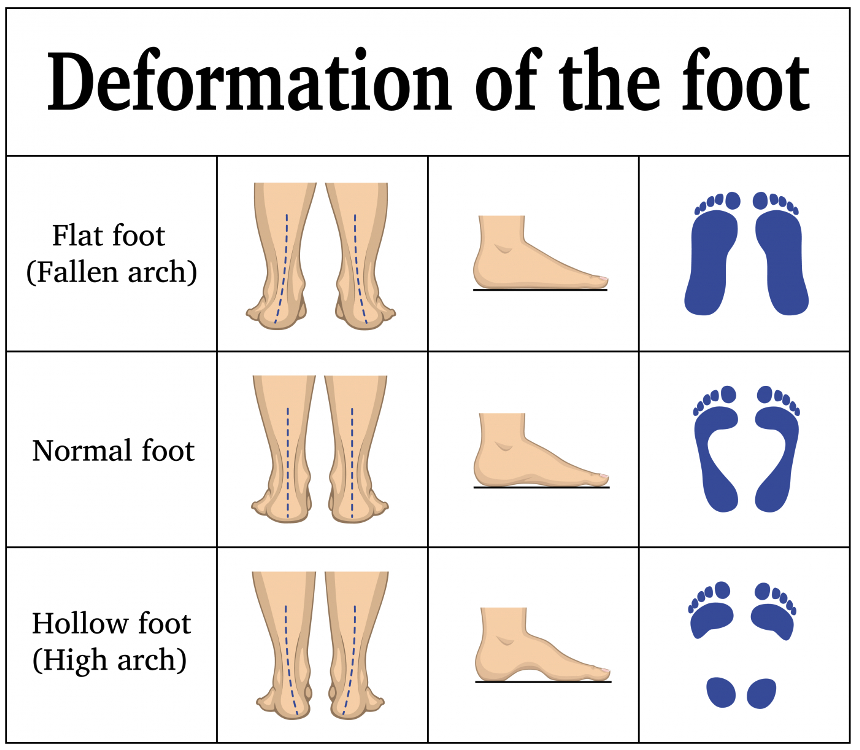
8 articles
€23.23